Explore diy voice controlled home automation
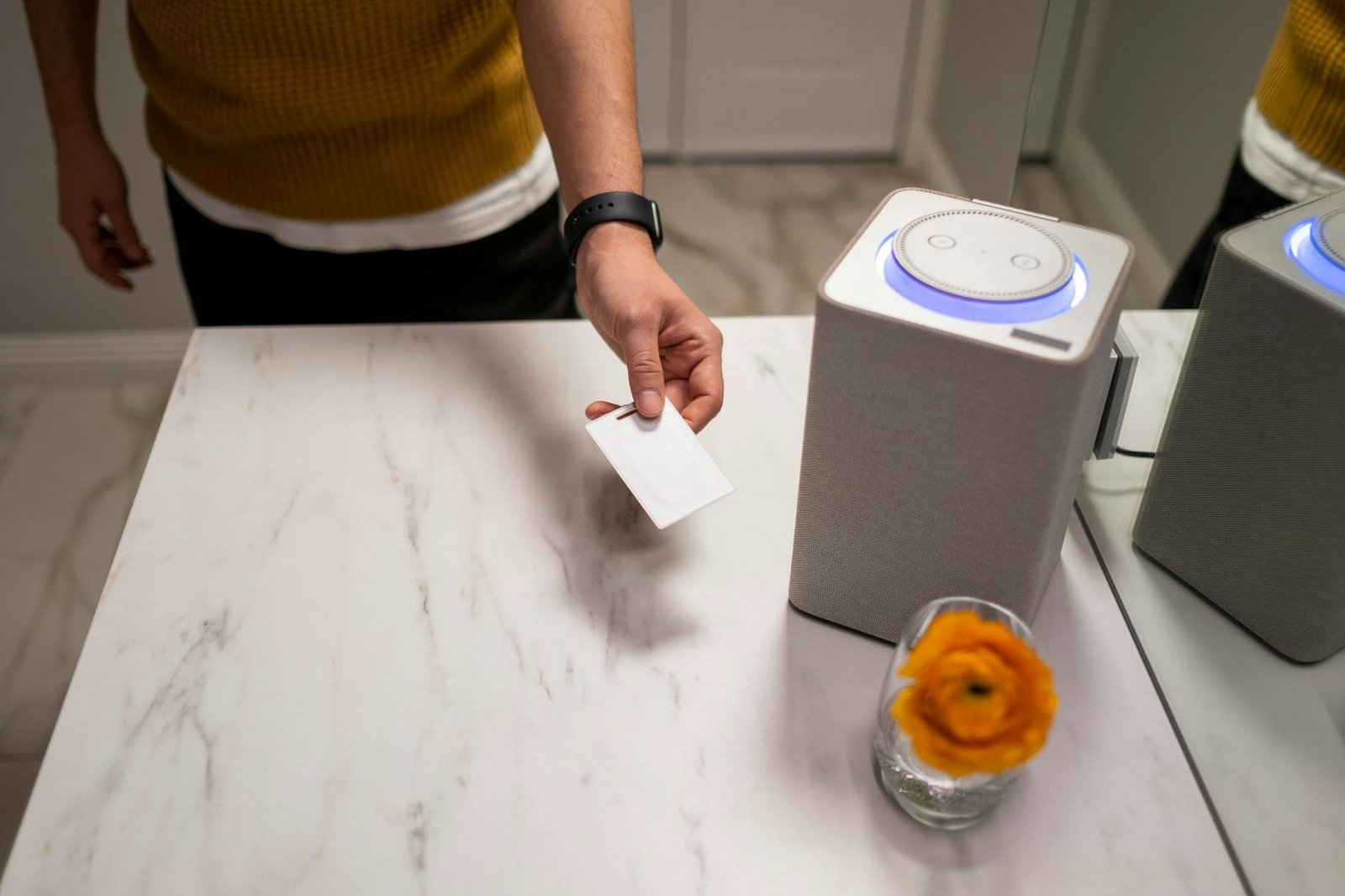
You might already be familiar with voice assistants like Amazon Alexa or Google Assistant, but have you considered building your own voice-driven setup tailored to your home’s unique needs? DIY voice controlled home automation can help you manage lights, adjust the thermostat, lock doors, and more. The best part is that you can do it without spending a fortune on expensive proprietary systems.
When you create your own system, you decide which features matter most and which ones you can skip to save on costs. This flexibility makes it easier to start small and expand as you discover new ways to optimize. If you enjoy hands-on projects, check out home automation with raspberry pi to see how a budget-friendly microcomputer can oversee your home’s voice commands.
Reduce hardware costs from the start
Commercial smart devices can quickly add up, especially if you want to automate multiple rooms. To keep expenses in check, think carefully about your hardware choices before making any big purchases. You don’t need the latest high-end speaker or camera to get started. Instead, look for slightly older or discounted models that still have reliable voice-assistant integration.
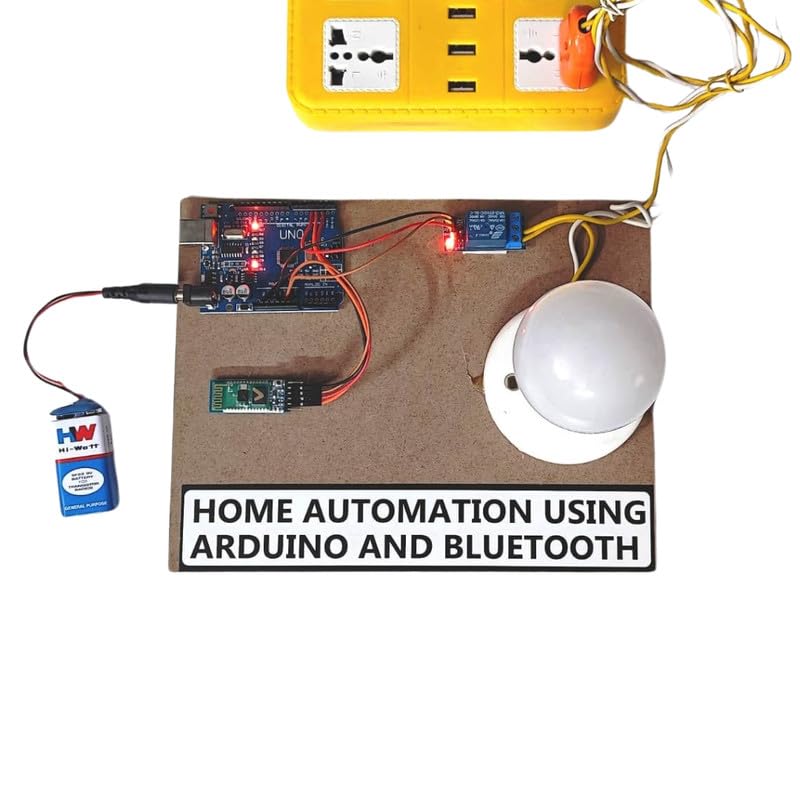
If you’re comfortable tinkering, consider building or modifying devices you already have. Many people start their diy setups by repurposing older laptops or tablets as control hubs. Others use open-source software on simpler peripherals like a Raspberry Pi or an Arduino board. You’ll find plenty of inspiration in these diy smart home projects, which detail creative ways to reuse existing electronics rather than buying brand-new gadgets.
By prioritizing which appliances and rooms to automate first, you’ll avoid overspending on devices you might not regularly use. Once you experience how convenient voice-controlled automation can be, you can decide where it’s worth investing a bit more for better performance or extra features.

Optimize energy usage with voice commands
One of the biggest selling points of diy voice controlled home automation is how effortlessly it can lower your monthly bills. When you’re able to turn off lights or lower the thermostat simply by speaking a command, you eliminate the forgetfulness factor that often drives up energy usage. Plus, the novelty of saying “lights off” from the couch never gets old.
You can also create voice-activated routines that trigger multiple actions at once. For example, you could say “Goodnight,” and automatically switch off all lights, lower the temperature, and lock the front door. This kind of automation ensures nothing is accidentally left running through the night, saving you money in the long run. Some homeowners have cut their electric bills by 10 to 15 percent just by implementing these basic voice routines.
If you’re the type who wants to monitor exactly where your electricity goes, consider adding sensors that track energy usage for each device. Once you connect those sensors to your voice controller, you can ask your system which appliances are drawing the most power. That immediate feedback can motivate you to adjust your habits, unplug underused electronics, or even upgrade to more efficient devices.
Safeguard your system on a budget
A common concern for homeowners setting up a voice-controlled ecosystem is security. You want to make sure no one else can access your home’s devices without permission. Thankfully, you can achieve strong security at a reasonable cost.
Most platforms let you add passcodes or voice recognition features to confirm your identity. You can also manually set up firewalls and encryption protocols for additional protection. If you’re looking for an all-in-one solution, consider exploring diy smart home security systems. These allow you to keep an eye on doors, windows, or even your mailbox using sensors and cameras you install yourself.
Basic safety measures, such as creating strong passwords and keeping software updated, go a long way. It’s easy to overlook these steps when you’re excited about connecting everything, but consistent maintenance is key to preventing unwanted access. Since you’re building the system yourself, you’ll have full control of security settings and can quickly fix any vulnerabilities that surface.
Expand to advanced smart home setups
Once you’re comfortable with basic voice commands for lighting and temperature control, you can explore even more advanced automations. You might integrate your voice assistant with your lawn irrigation system, coordinate music playlists based on whose phone connects to the Wi-Fi, or even set up voice reminders that prompt you to water your plants at a certain time.
If you ever feel inspired to take on larger-scale projects, look at home improvement smart automation projects. You’ll discover ways to tie everything together in a centralized dashboard, making it easier to track usage and costs across all your devices. The more you automate, the more you stand to save. Complexity can be intimidating at first, but tackling it gradually helps you become confident with each new feature.
You’ll also find that when you handle these projects yourself, you learn invaluable skills that might spark other money-saving ideas around the house. Whether it’s installing voice-triggered blinds or implementing advanced motion detection, you gain the knowledge to maintain and upgrade your system in the future without relying on pricey specialists.


Key takeaways
DIY voice controlled home automation is an excellent way to cut monthly bills, manage your household more efficiently, and enjoy a modern living space tailored to your exact preferences. You’ll discover that starting small with cost-effective devices leads to meaningful savings over time.
- By choosing budget-friendly or repurposed hardware, you minimize upfront costs.
- Voice-triggered routines reduce energy consumption by ensuring lights and appliances switch off when not in use.
- Implementing strong security features keeps your system safe without breaking the bank.
- Advanced automations open the door to even bigger savings and convenience.
The beauty of building your own voice-controlled setup is that you can scale it in line with your needs and your budget. Whether you’re just replacing a few light switches or revamping your entire home, your voice automation project can have a powerful impact on your living comfort and bottom line. If you’re ready to take the next step, don’t hesitate to explore resources like home automation with raspberry pi or diy smart home projects to kick off your journey.