Whether you’re a longtime homeowner or brand-new to the world of automation, DIY smart home projects can bring fresh excitement to your daily routine. From controlling your lights with a simple voice command to monitoring security from your phone, these upgrades help you personalize the ambiance and convenience of every room. You have more budget-friendly options at your fingertips than ever before, which means you can tailor each project to match your comfort level and vision.
Below, you’ll explore practical steps for setting up a smart home that’s efficient, cost-conscious, and enjoyable.
Have a clear plan
Before you order sensors, smart switches, or other gadgets, it helps to think about which problems you want to solve first. Do you want lights that dim automatically? Improved security alerts when you’re out of town? Or maybe a voice-controlled assistant that handles temperature adjustments or plays your favorite playlist on command?
Start with one specific area of your home as your smart-home testing ground. For instance, choose your living room if you want to automate lighting, music, and entertainment in one place. Once you get comfortable with that setup, you can expand into other rooms with minimal hassle.
If you prefer to study a range of automation ideas before committing, check out home improvement smart automation projects. You’ll find examples of creative ways to streamline daily tasks and keep your home running smoothly.
Automate your lighting
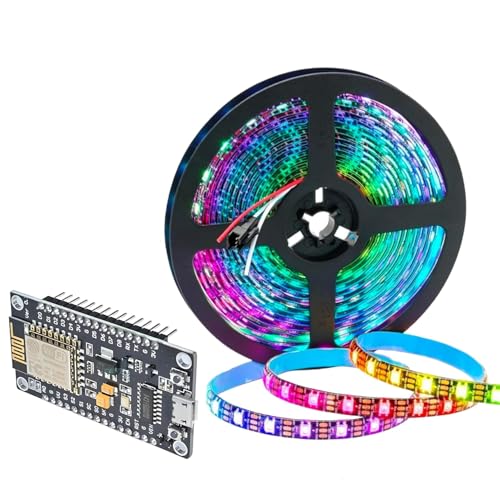
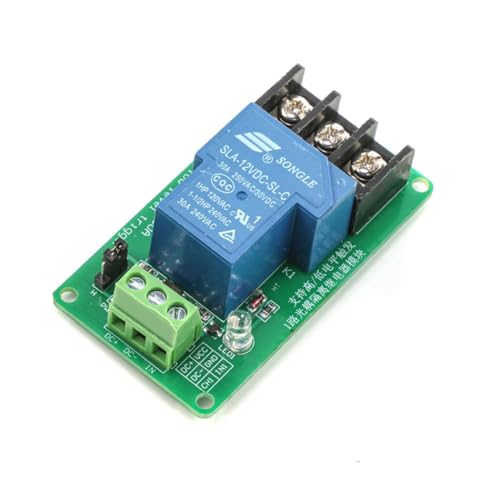
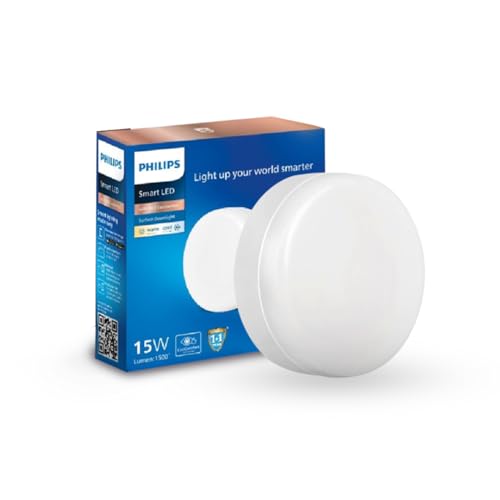
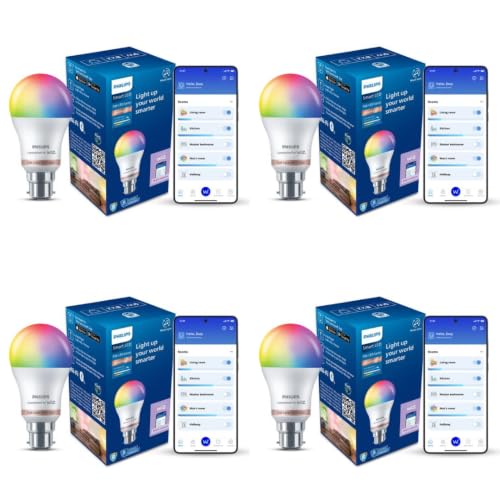
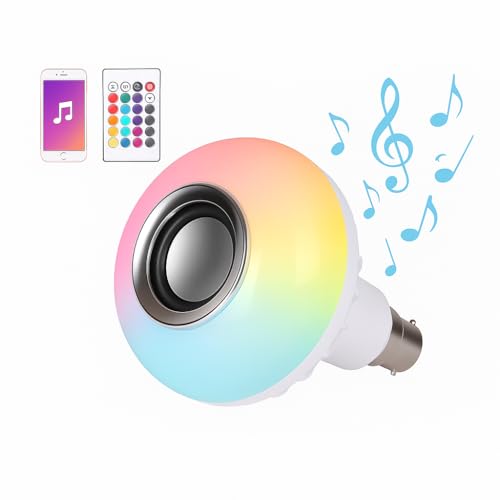
Smart lighting is often the simplest way to get started with DIY automation because it delivers immediate results. When you automate your lighting, you can switch lights on and off even dim them with a quick tap on your phone or through voice activation. This not only enhances comfort, but it can also help you reduce energy costs.
Some smart bulbs or switches work without a hub, while others require a central controller. Whatever approach you choose, make sure you look for bulbs or switches labeled with compatibility for your preferred ecosystem. If your chosen brand works with Google Assistant or Apple HomeKit, for example, you’ll enjoy an easier time connecting every device under one platform.
Think about installing motion sensors in hallways or stairwells so lights turn on only when you need them. A sensor-based setup means you don’t have to fumble for switches at night, and you won’t waste energy lighting up unoccupied areas.
Secure your home
Another practical place to begin your DIY smart home projects is with security. You no longer need expensive installations or monthly fees to keep watch over what happens on your property. Instead, you can set up cameras, door sensors, and alarms using equipment you can buy online or at your local hardware store.
Modern, budget-friendly systems sync with your smartphone for real-time notifications about doors opening or unexpected movement indoors. Many kits include doorbell cameras, interior sensors, and even leak detectors for your basement or bathroom. If you want a detailed resource on designing and installing your own safety setup, head over to diy smart home security systems. You’ll find insights on choosing the right sensors, mounting cameras for best coverage, and ensuring stable connectivity.
Don’t forget to place sensors near first-floor windows, garage entries, or any door that doesn’t get much foot traffic. These areas are often overlooked and could be vulnerable to unauthorized entry.
Explore voice control
Controlling your home with a simple voice command may feel futuristic, but it’s genuinely easy and accessible now. Whether you use a standalone smart speaker or a mobile app, voice assistants can help you manage various tasks hands-free. You can change the thermostat, play music in specific rooms, or set timers to remind you when dinner’s ready.
The secret to a seamless voice-control setup is to make sure all your devices communicate on the same platform. That means looking for bulbs, plugs, locks, and thermostats labeled “Works with Alexa,” “Works with Google Assistant,” or “Works with Siri.” If you want to learn more about tailoring your home environment through spoken commands, check out our guide on diy voice controlled home automation.
You might begin by linking your lights and a single smart speaker. After getting comfortable with those basics, expand your system to control TVs, window shades, or even your lawn sprinkler timers. With each new device, you’ll be able to fine-tune routines like “Good Morning” or “Movie Time,” which can automatically adjust multiple elements at once.
Experiment with Raspberry Pi
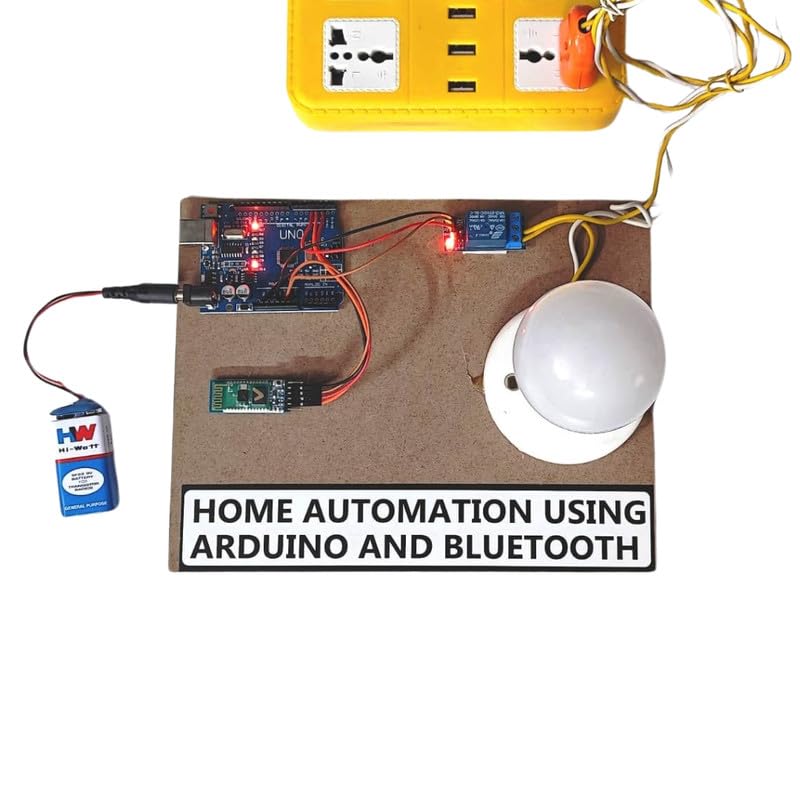
If you love rolling up your sleeves and tinkering on both hardware and software levels, you can take your DIY projects further by experimenting with single-board computers like Raspberry Pi. An affordable, compact board, Raspberry Pi serves as a versatile starting point for advanced automations. You can create custom dashboards, run sensors for temperature or humidity, or even build your own media center.
Raspberry Pi can also serve as a hub for more specialized setups if you’re interested in bridging multiple smart devices. By installing open-source software, you can manage and automate everything from your living room lighting to your front-door motion camera. When you’re ready to dive deeper, home automation with raspberry pi offers a step-by-step approach to transform a simple microcomputer into a flexible control center for your entire household.
Here are a few possibilities if you decide to explore what Raspberry Pi can do:
- Connect a motion sensor that triggers alarms or snaps photos when unexpected movement is detected.
- Set up a web-based control panel to power on your lamps, humidifiers, or fans remotely.
- Gather real-time data on your home’s temperature and humidity, then direct your HVAC system to maintain a preset comfort level.
Embrace ongoing innovation
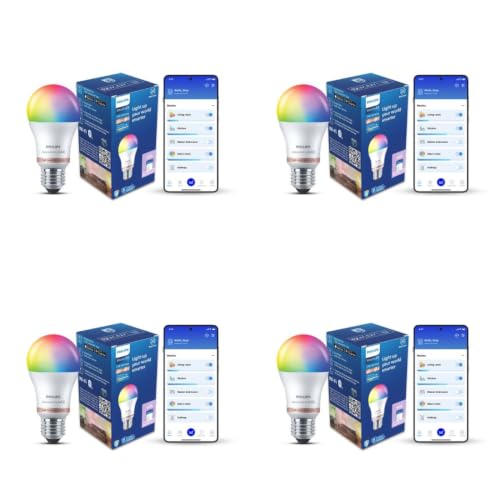
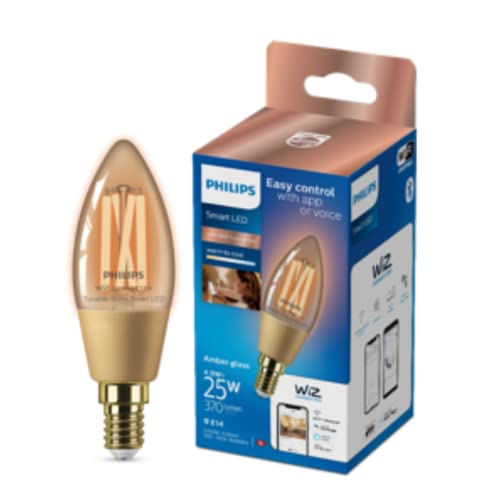
Perhaps the most exciting part of DIY smart home projects is the endless room for growth. You can always add new features, integrate innovative devices, or refine routines so they work perfectly for you. If your household’s needs change over time like adding a pet or welcoming a new baby your smart home can adapt just the same.
When you finish one project, think of another puzzle you’d like to solve. Maybe you’re ready for automated blinds that adjust with sunrise and sunset. Or it could be a system that manages your indoor air quality, ensuring you and your family enjoy a healthier environment year-round. As you learn more, you’ll see how every small upgrade can fit together to build a holistic, comfortable, and entertaining space.
By approaching each upgrade methodically and focusing on what you need, you’ll create a home that’s both welcoming and connected. You can begin with something as straightforward as a smart lighting plan, then step up to more advanced setups with voice control or intricate security systems. Each time you automate a new task, you remove friction from your daily life and keep more time for the things you truly love.
Smart home technology isn’t just about convenience though it certainly excels at that. It also helps you tailor an environment that’s safe, efficient, and a joy for anyone who steps inside. Let your imagination guide you to the next project, and watch as every room becomes a little more “you.”