Key Takeaways:
• Smart home automation combines convenience, security, and energy savings
• Popular devices include smart speakers, lighting, thermostats, and security systems
• Installation ranges from simple plug-and-play to professional setup
• Integration and compatibility are crucial for seamless automation
• Smart homes can reduce energy costs by 10-15% annually
• Privacy and security features protect your connected devices
• Future-proofing your home ensures long-term compatibility
Understanding Smart Home Automation Basics
Smart home automation refers to the integration of internet-connected devices that communicate with each other to automate household functions. At its core, a smart home uses Internet of Things (IoT) technology, artificial intelligence, and wireless connectivity to allow homeowners to control and monitor their living spaces remotely or automatically.
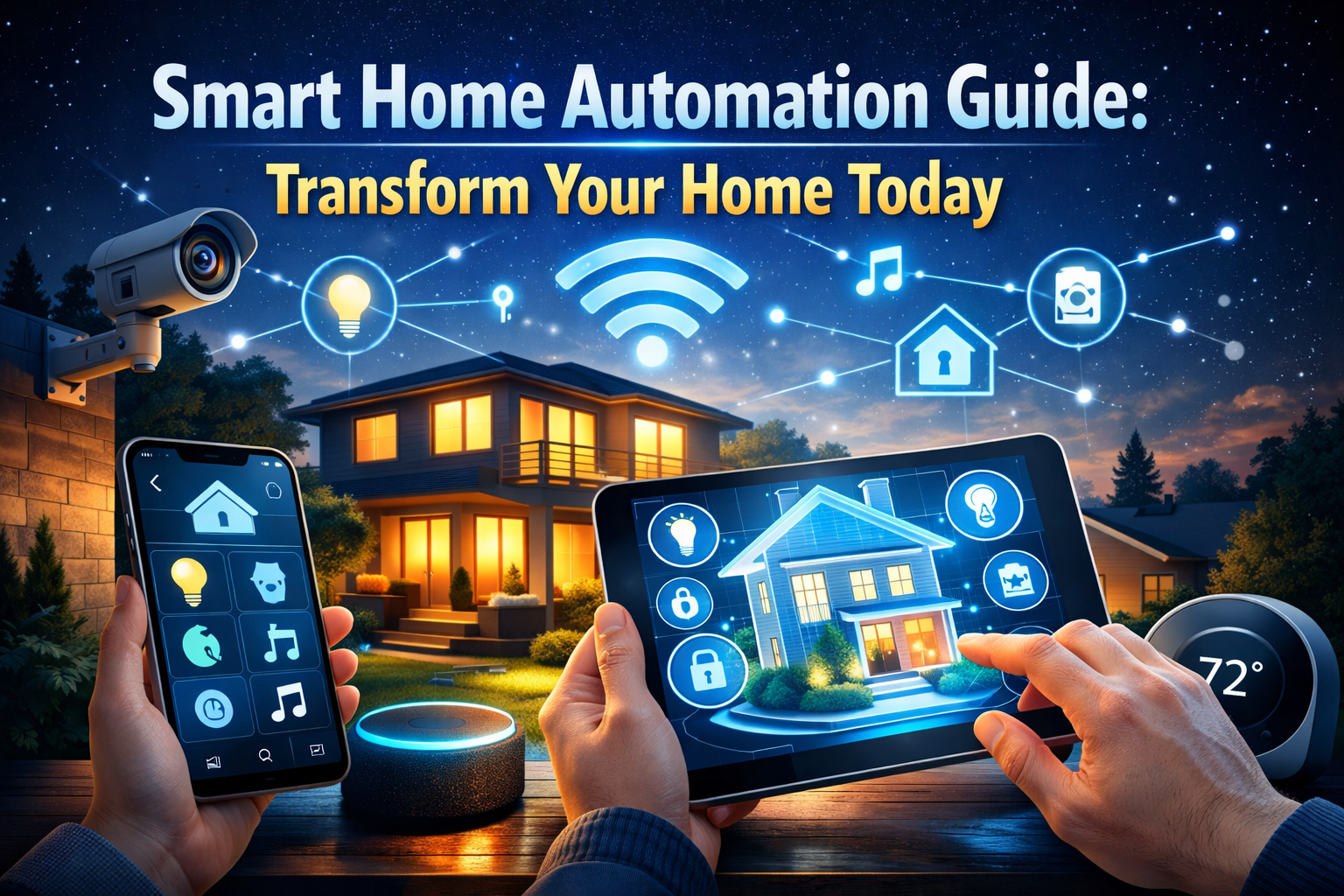
The ecosystem typically consists of smart devices (lights, locks, thermostats), a central hub or control system, and a mobile app or voice assistant interface. These components work together to create a seamless experience where your home responds to your needs automatically or through simple voice commands and app controls.
Benefits of Smart Home Technology
The advantages of adopting smart home automation are numerous and immediately noticeable. Energy efficiency is one of the primary benefits—smart thermostats learn your preferences and optimize heating and cooling patterns, potentially reducing your utility bills by 10-15% annually. Security improvements include smart locks, video doorbells, and surveillance systems that provide real-time monitoring and alerts, giving you peace of mind whether you’re home or away.
Convenience is another major appeal. Imagine controlling your lights, temperature, entertainment systems, and security with a single voice command or smartphone app. Smart homes also add significant value to your property, making them attractive to modern homebuyers who prioritize convenience and technology.
Popular Smart Home Devices and Systems
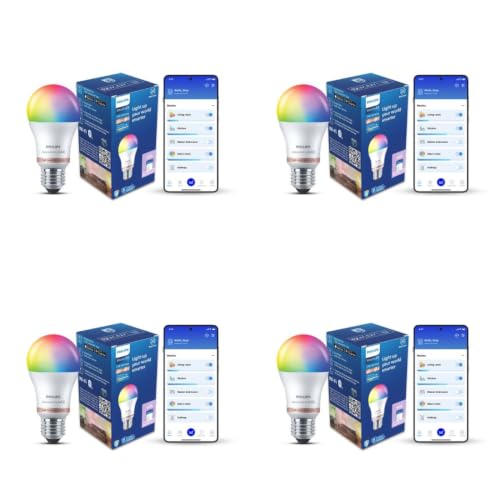
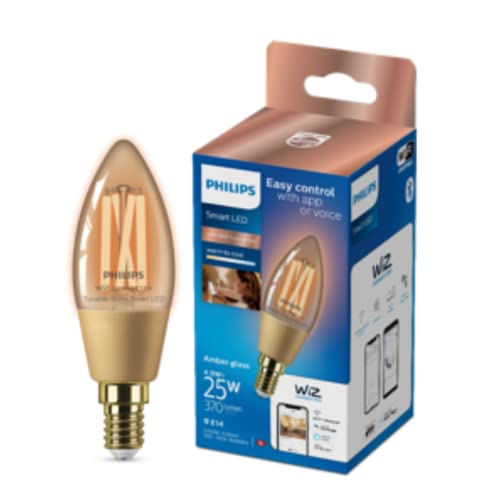
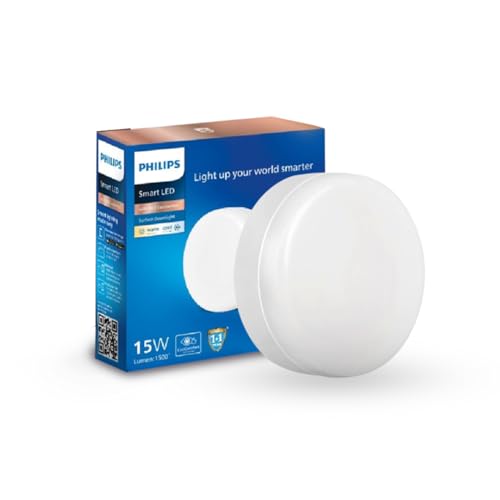
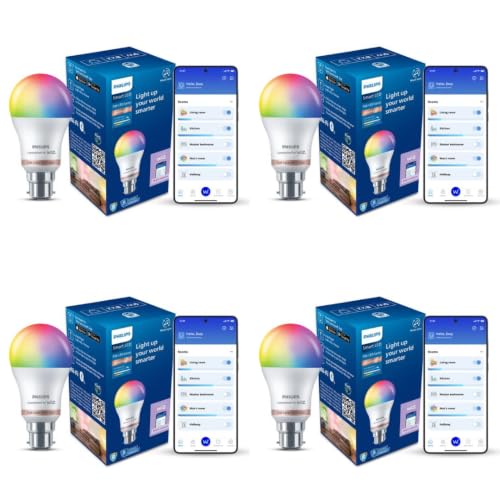
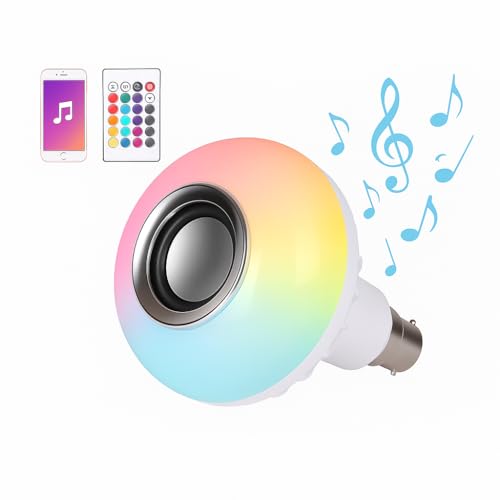
The smart home market offers an incredible variety of devices to enhance different aspects of your home. Smart lighting systems like WiFi-enabled bulbs let you adjust brightness, color, and scheduling from anywhere. Smart thermostats learn your temperature preferences and adjust automatically, while smart door locks provide keyless entry and remote access control. Video doorbells offer real-time viewing and two-way communication with visitors, and smart security systems integrate cameras, motion sensors, and alarms into one cohesive platform.
Entertainment is also enhanced through smart speakers, sound systems, and TVs that can be voice-controlled and integrated with streaming services. Smart appliances, from refrigerators that track grocery inventory to washing machines you can control remotely, continue to expand the possibilities of home automation.
Getting Started: Planning Your Smart Home
Before purchasing devices, take time to plan your smart home strategy. Assess which areas of your home would benefit most from automation—many people start with lighting and climate control before expanding to security and entertainment. Determine your budget, as smart devices range from affordable to premium options.
Choose a central platform or ecosystem (Amazon Alexa, Google Home, Apple HomeKit) that will serve as the command center for your devices. This decision is important because device compatibility often depends on the platform you select. Research which devices work with your chosen ecosystem and prioritize essential functions over nice-to-have features.
Installation and Setup Considerations
Most smart home devices are designed for easy DIY installation. Smart bulbs simply screw into existing fixtures, smart plugs insert into outlets, and wireless devices connect to your home WiFi network. However, some installations—like smart thermostats or electric locks—may require basic technical knowledge or professional installation.
Ensure your home WiFi network is robust and has adequate coverage throughout your house. A strong, secure WiFi connection is essential for reliable smart home performance. Many experts recommend a mesh WiFi system for larger homes or those with connectivity challenges.
Maximizing Your Investment: Integration and Automation Routines
True smart home power emerges when devices work together through automation routines. For example, you can create a “Good Morning” routine that gradually brightens lights, adjusts the thermostat, and starts your coffee maker. An “Away” mode can automatically lock doors, disable smart features, and arm security systems when you leave home.
Voice assistants like Alexa, Google Assistant, and Siri make controlling these routines effortless. Smart home hubs can create complex automations based on time, location, or sensor triggers, enabling truly intelligent home management that adapts to your lifestyle.
Security and Privacy in Smart Homes
While smart homes offer tremendous benefits, security is paramount. Use strong, unique passwords for all smart device accounts and enable two-factor authentication where available. Regularly update device firmware to patch security vulnerabilities. Be cautious about which permissions you grant to apps and consider your privacy comfort level before installing devices with cameras or microphones.
Choose reputable brands known for strong security practices, and avoid connecting unnecessary devices to your network. Many security professionals recommend a separate WiFi network for smart devices, isolating them from computers containing sensitive information.
Conclusion
Smart home automation represents the future of residential living, offering transformative benefits in convenience, security, energy efficiency, and comfort. Whether you’re starting with a single smart speaker or planning a comprehensive whole-home transformation, the technology has become accessible, affordable, and incredibly powerful. By following this guide and taking a thoughtful approach to planning and implementation, you can create a smart home that truly enhances your quality of life while protecting your privacy and security. Start your smart home journey today and discover how modern technology can elevate your living experience to new heights.
FAQ – Frequently Asked Questions
What is the most important smart home device to start with?
Smart speakers like Amazon Echo or Google Home are excellent starting points, as they serve as central hubs for controlling other devices via voice commands. Many people also start with smart lighting or thermostats for immediate energy-saving benefits.
How much does it cost to build a basic smart home?
A basic setup with a smart speaker, smart bulbs, and a smart thermostat can cost between ₹5,000-₹15,000. More comprehensive systems with security and entertainment integration range from ₹25,000-₹100,000+, depending on your home size and specific needs.
Do all smart home devices need to be from the same brand?
Not necessarily, but compatibility is important. Most devices work with major ecosystems like Alexa or Google Home. Check compatibility before purchasing to ensure seamless integration with your chosen platform.
Is a smart home difficult to install?
Most devices are designed for simple DIY installation. Smart bulbs, plugs, and many sensors are plug-and-play. However, some devices like smart thermostats may require professional installation if you’re not comfortable with basic electrical work.
Are smart homes safe and secure?
Yes, when properly configured. Use strong passwords, enable two-factor authentication, keep firmware updated, and purchase from reputable brands. Avoid connecting low-security devices and consider using a separate network for smart devices.